This March newsletter begins with good news. I have always been determined to find a way to keep the success of Project Shield going even when its funding came to an end. So, I was delighted this month to announce the project would be continuing. Thanks to the hard work of police and partners across Northumbria, we’ve seen real progress in tackling anti-social behaviour in hotspot areas — with safer streets and stronger communities as a result.

But we know there’s more to do. That’s why I’ve drawn on other funding pots and negotiated contributions from partnership members, which will allow Project Shield to continue in a restructured way using the same joint efforts and targeted approach that we have seen work so well. I look forward to building on its success and seeing new plans put into action.

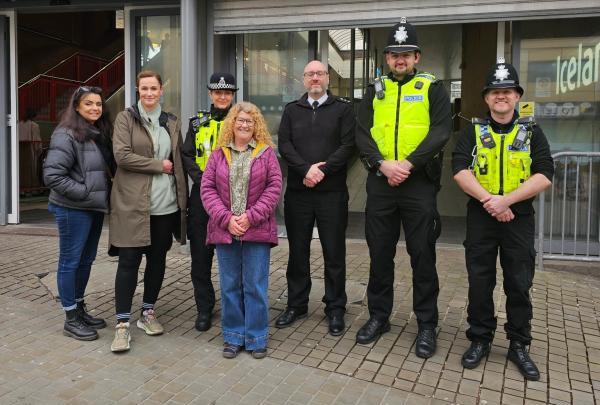
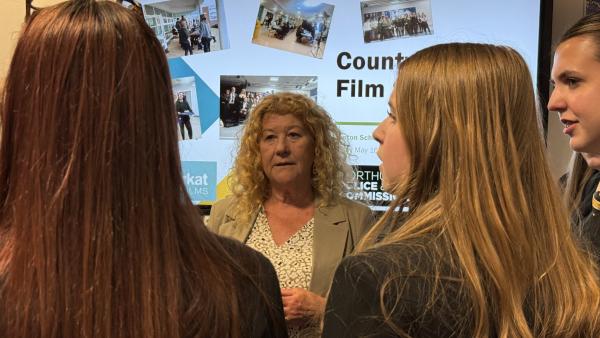
Other good news is that over 27 organisations and projects are set to benefit from my Commissioner’s Community Fund this year, which is distributing £114,820 of funding. The programme is about putting cash officers have seized as proceeds of crime back into communities. I want it to give people positive opportunities, which in turn can deliver a positive impact in our local neighbourhoods. Last week I visited one of the groups set to benefit from the fund - the Young Women’s Film Academy (YWFA) in Newcastle-upon-Tyne. Their social action film project about ‘Stories of the Manosphere' has received funding and with the current Louis Theroux documentary, it couldn’t have come at a better time to give young women a voice on the topic. I’ll be bringing you updates on other successful projects in the months ahead.

Best wishes,
Susan Dungworth
Northumbria Police and Crime Commissioner

Priority 1: 

Engaged and responsive police force


Policing match day and beyond


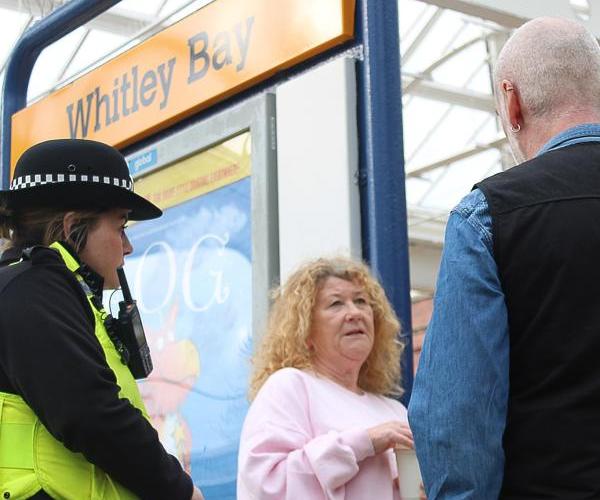
My thanks go to Northumbria Police and partners who were working during the big Tyne and Wear Derby.  These days can be demanding and involve careful planning and preparation. I was glad that the operation passed largely without incident, with only three arrests made. Thanks also to the fans who behaved respectfully and conducted themselves well throughout. During the match, I joined the Neighbourhood Policing Team in Whitley Bay as policing continues to take place in communities during large-scale operations. There was some great engagement with local businesses and pubs in the town centre and along the coast as policing continued away from St James’ Park.

Priority 2: 

Crime and antisocial behaviour


Trojan Metro rides the tracks

Following on from the success of the Trojan bus, we decided to team up with Nexus and bring the tactic to the Metro during rush hour the other week. Plain-clothed officers were deployed ready to tackle crime and anti-social behaviour on the move.

The First Trojan Metro operation ran between Newcastle and Gateshead and results included:

• 6 arrests
• 200+ engagements with the public and businesses
• 1,000 people passed through knife arches

All this work is supporting efforts to make our transport network safer for the people of Northumbria.

Priority 3: 

Serious violence and organised crime


County Lines training launched


County Lines destroy lives, drawing young and vulnerable people into danger, violence and crime, and placing them at significant risk of harm. That’s why I was proud to launch a new County Lines and Exploitation training module from the Violence Reduction Unit, helping youth workers, community organisations, and frontline staff recognise the warning signs, and better understand how these criminal networks operate. The module forms part of the Violence Prevention Ambassadors Programme, which offers learning on a range of serious violence issues and has already trained more than 300 people across our communities.

Priority 4: 

Violence against women and girls


The role of neighbourhood policing teams in tackling domestic abuse

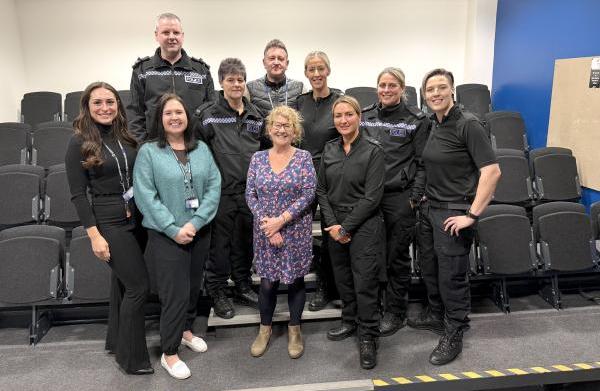
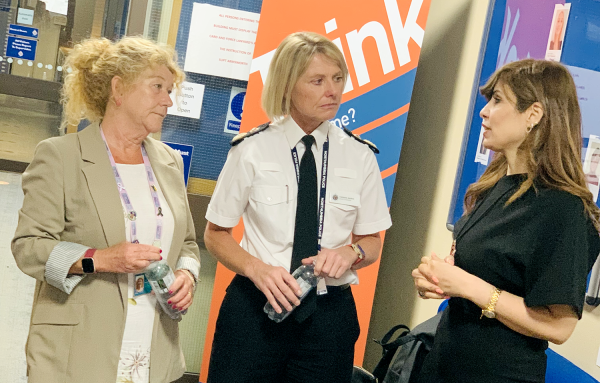
When it comes to domestic abuse, our neighbourhood team are often the first to spot concerns, build trusted relationships and support victims. And so last week, I spent time in Sunderland speaking to local officers and partners about their role in responding to high-risk domestic abuse calls and providing proactive safety, care and interventions for vulnerable adults and children. We spoke about the importance of Clare’s Law – helping people entering relationships so they can make formal requests to find out if they are at risk of domestic abuse from their new partner. This preventative approach has helped a growing number of people and is a vital tool helping to safeguarding people from the threat of domestic abuse.

Priority 5: 

Hate crime and community cohesion


Connecting cultures

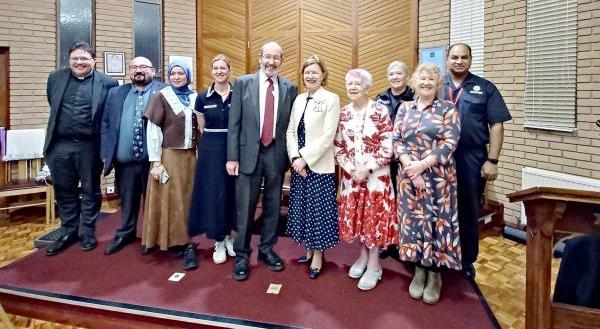
The Newcastle Reform Synagogue held a special Iftar dinner this month that brought local people together from all sorts of backgrounds and faiths to break the fast during Ramadan. This was an example of community cohesion at its finest.  Events like this really help promote intercultural understanding - giving people the opportunity to share experiences and build connections. It was a pleasure to be there to celebrate and support the amazing mix of cultures we have in the area.

Priority 6: 

Victims and justice


Getting the response right with Raneem’s Law

March marked one year of Raneem’s Law – an initiative that sees Independent Domestic Violence Advisors (IDVAs) embedded in our control rooms – supporting officers with their response to domestic abuse calls.

I’m proud of Northumbria as we have been leading the way in this area of work for a while now - recognising the importance of getting our response right from the moment the call reaches the control room. That’s why my office has long been funding specialists in the control rooms too - to offer direct victim support at specific times.  I’ve been hearing from the IDVAs about the positive impact the project is having helping improve the service victims receive.