- BOOK NOW - Safeguarding Week Multi-Agency Training Offer
- IMPORTANT REMINDER: Water Safety Guidance During Warm Weather
- Making Prevention Possible - Child Safety Week - 1st - 7th June
- NEW Campaign - "Keep the Door Open"
- National Youth Sector Census
- Baby Summer Safety
- Welcome to the WSCP Training Brochure - What's on Offer this May?
- Every Sleep a Safer Sleep Training - FREE
- NEW - WSCP One Minute Guide
- #LookCloser Programme of Learning Events May -September 2026
- WSCP Website Updates
- Spotlight On...National Operations Safeguarding Young People in the UK
- Education Updates
- NEW - Child Safeguarding Practice Review Panel Learning Hub
- Centre of Expertise on Child Sexual Abuse Resources
- Top Safety Tips for Families this May
- NSPCC Updates
- What Would You Like to Hear About?
- Useful Links
|
1. BOOK NOW - Safeguarding Week Multi-Agency Training Offer
|
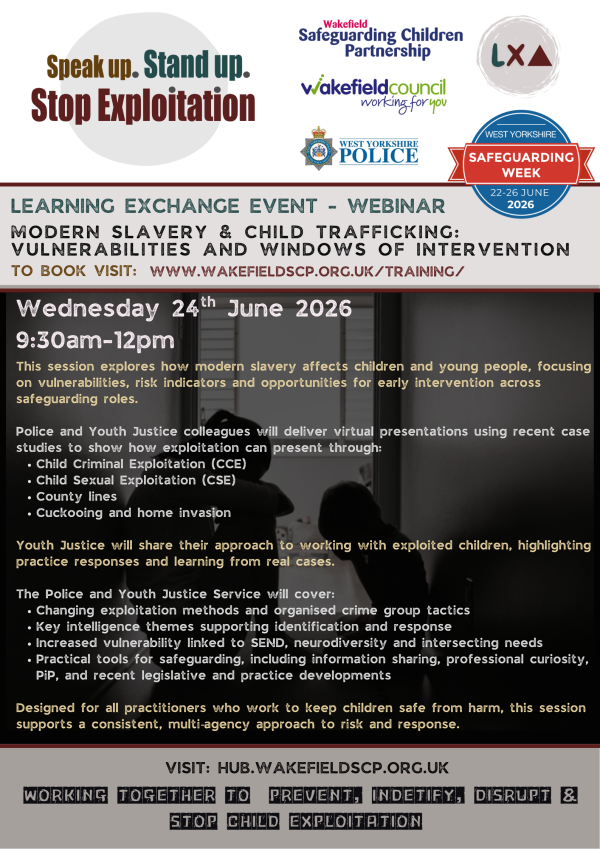
Wakefield will be hosting a Learning Exchange webinar on Modern Slavery & Child Trafficking: Vulnerabilities & Windows of Opportunities on Wednesday 24th June at 9.30 -12pm.
A multi‑agency virtual learning session exploring how modern slavery affects children and young people, with a focus on vulnerabilities, risk indicators and early intervention.
Police and Youth Justice colleagues will share learning from recent case studies, including responses to CCE, CSE, county lines and cuckooing, and the Youth Justice approach to working with exploited children.
The session will also highlight emerging exploitation trends, SEND and neurodiversity‑related vulnerabilities, and practical safeguarding tools such as information sharing, professional curiosity and PiP.
|
2. IMPORTANT REMINDER: Water Safety Guidance During Warm Weather
|
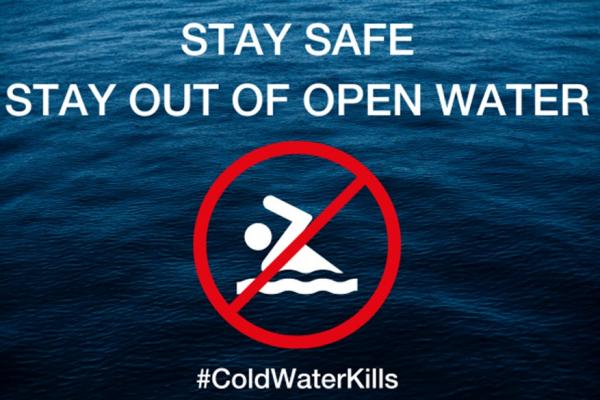
With this warmer weather spell and the summer months approaching, WSCP would like to remind everyone of the dangers around open water. As temperatures rise, children, young people, and families are likely to spend more time outdoors, so it’s important to raise awareness of the risks.
For more information, please visit:
Key Water Safety Guidance (for CYP, families, and practitioners):
- Cold Water Shock: Sudden immersion in open water—even in warm weather—can cause an involuntary gasp, rapid breathing, and heart strain. This is one of the biggest risks for strong and weak swimmers alike.
- Hidden Hazards: Open water often contains unseen dangers such as strong currents, weeds, sudden drop-offs, and debris. These hazards can trap or disorient swimmers.
- Supervision Near Water: Children and young people should be closely supervised around rivers, lakes, reservoirs, canals, and even garden ponds. Drowning can be silent and fast.
- Jumping Into Water: Jumping or diving into unknown water can lead to serious injury due to submerged objects or shallow areas.
- Inflatables Warning: Inflatables can easily be swept away by wind or currents. They are safest in supervised pools, not open water.
What To Do in an Emergency: If someone is in trouble:
Coordinated by Wakefield’s Water Safety Group, West Yorkshire Fire and Rescue Service is running a programme of free activities to show the dangers of jumping into or swimming in open water and what actions can be taken in an emergency.
Please feel free to share this information with the children, young people, and families you are working with.
There is a big new campaign by Respect The water which is Phone. Float. Throw. – more info linked below:
Your support in promoting these safety messages is greatly appreciated.
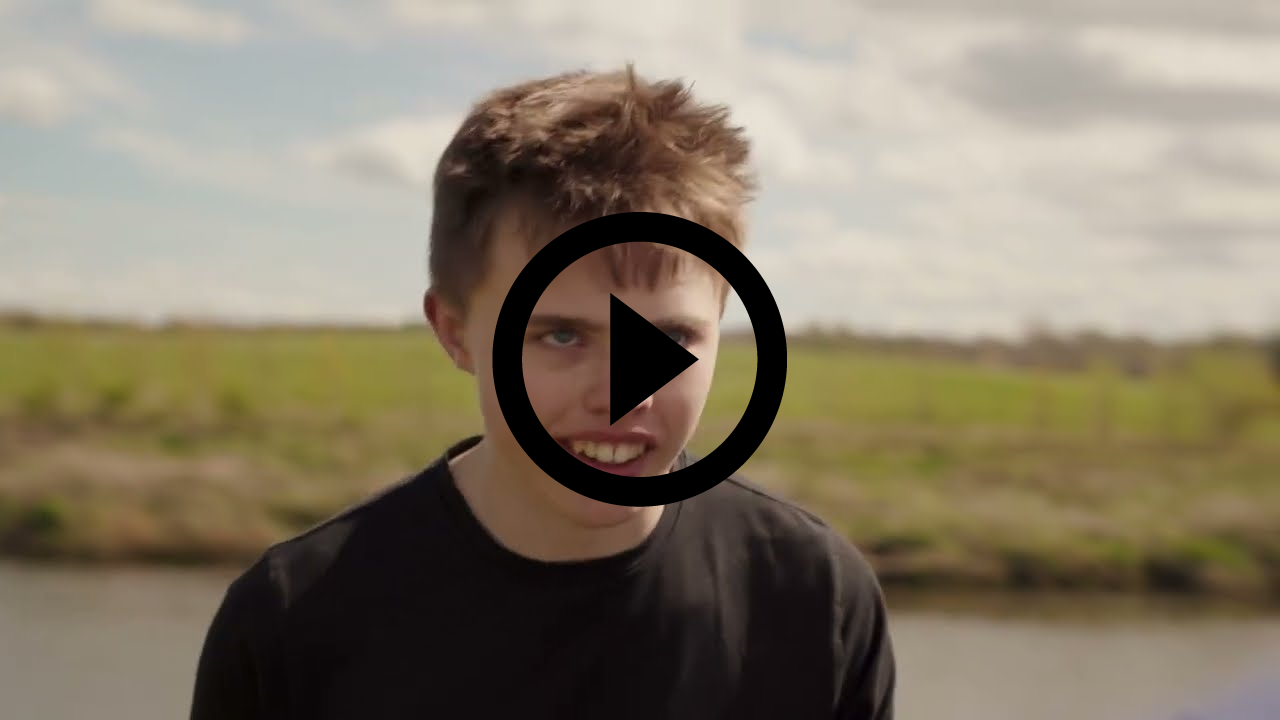
Please watch and share the short video below, created by Wakefield Council and partners. It shows a child jumping into the water due to peer pressure from friends, highlighting how something that may seem fun in hot weather can quickly become dangerous and should be avoided. |
Why is water safety so important?
Data published by the National Child Mortality Database (NCMD) shows that in the year ending 31 March 2025, 31 child drowning deaths (ages 0–17) were reported to Child Death Overview Panels in England (Figure 1). While this is 9 fewer deaths than the previous year, it still represents a rate of 2.63 per 1,000,000 children—highlighting that preventable risks remain.
Over the six-year period from 1 April 2019 to 31 March 2025, there were 196 child drowning deaths in total, equating to an estimated annual rate of 2.77 per 1,000,000 children. These figures reinforce the ongoing need for vigilance around water safety.
One child drowning is one too many. By prioritising safety awareness and consistently sharing clear, age-appropriate water safety messages, we can help children better understand risks and take steps to stay safe around water. |
3. NEW Campaign - "Keep the Door Open"
|
West Yorkshire Combined Authority (WYCA) and the Violence Reduction Partnership (VRP) have launched a new campaign titled "keep the door open", delivering an empowering message to young people that their futures is literally in their hands. Led by the Mayor of West Yorkshire Tracy Brabin and the Violence Reduction Partnership, it features brand new music from Leeds artist Nigel Ngwenya and focuses on the long-term consequences of carrying a knife. It shows how one decision can impact life opportunities whether that’s education, employment, or relationships- for further details see website: Keep the Door Open | West Yorkshire |
4. Making Prevention Possible - Child Safety Week - 1st to 7th June
|
Next week is Child Safety Week, and the Child Accident Prevention Trust (CAPT) is making prevention possible by offering free resources to prevent devastating accidents.
CAPT has a comprehensive library of resources, freely available to support teams and avoid any duplication of effort. The charity also offers a wide range of safety advice. There are resources for display and to give to parents - please also share these to relevant professionals in your own networks
.
Parents' pack – top tips to share with families. Includes all CAPT’s fact sheets on the most serious accident risks in one place.
Display pack – all that’s needed for a colourful, engaging display covering essential prevention messages.
Stay informed
Stay in the know about emerging risks across the UK and hear about new free resources added throughout the year – simply sign up for CAPT alerts and follow CAPT on socials. |
5. National Youth Sector Census
|
With renewed government focus on youth services through the National Youth Strategy, it’s vital that organisations funding, commissioning and delivering youth work complete the National Youth Sector Census.
The Census is managed by the National Youth Agency on behalf of the Department of Culture, Media and Sport. For the second year running it is also supported by the Home Office. It creates the most comprehensive picture of youth work provision across England showing where it is delivered, who it reaches, how it is funded and gaps in provision.
Your data will help commissioners and local decision-makers target investment and interventions where they are needed most, helping to identify where there are gaps and duplication. Completing the Census ensures your organisation’s work is visible and helps strengthen the evidence base behind the National Youth Strategy.
Leigh Middleton, Chief Executive, NYA said:
“If you’re showing up for young people, show up on the Census map. High-quality data underpins early intervention and it’s essential to embedding evidence-based approaches to tackling crime, reducing the risk of violence and responding to mental health needs within local prevention strategies, including the roll out of the Young Futures Panel Pilots element of the Young Futures Programme. The National Youth Sector Census is how we evidence what provision exists, what’s effective, and where investment is needed most.”
|
Warmer weather and summer holidays can make it trickier to follow safer sleep advice, which reduces the risk of sudden infant death syndrome (SIDS). Parents and carers will need to keep their baby cool while also managing travel plans and a change to your routines. Click here to access The Lullaby Trust's guide to baby summer safety so you can enjoy the summer with your little one. |
7. Welcome to the WSCP Training Brochure - What's on Offer this May?
|
Take a look at all the latest training which features:
- NEW DATE ADDED Working Together a Shared Responsibility
- Supporting & Safeguarding LGBTQIA+ Young People
- Relationship Matters: Reducing Parental Conflict Toolkit Training
- Perinatal Mental Health – and the impact on children
- Parental Mental Ill Health
- Ready to Relate / Infant Parents Relationship Cards Training Sessions
- NEW PAIR drop in sessions
- Risk and Resilience Framework Training
Access to recorded training sessions, podcasts, videos, one-minute guides and more.
|
8. Every Sleep a Safer Sleep Training - FREE
|
Multi-agency Awareness Training
Unsafe sleep remains one of the leading causes of infant death. In England and Wales, around 300 babies die suddenly and unexpectedly each year, with West Yorkshire experiencing some of the highest rates.
This bespoke training has been developed in response and designed for all practitioners who work with babies, infants or families providing clear, practical guidance so that everyone across the workforce can confidently recognise unsafe sleep situations, offer sound advice, and take appropriate action.
What's covered?
Understanding Sudden Unexpected Death in Infancy (SUDI) Key risks, terminology, and national/regional/local data. Your Responsibilities, Statutory guidance and what practitioners across sectors must know. Safer Sleep Principles, Evidence‑based advice applicable across Early Years, health, social care, police, VCSE, safeguarding and community settings. Spotting Unsafe Situations, How to identify concerns early and respond effectively. Real‑World Scenarios Case examples designed to strengthen professional curiosity and embed consistent practice.
Why this training matters
Since the new training programme and safer sleep standards were introduced, Wakefield has experienced no sudden infant deaths linked to unsafe sleep — a powerful indicator of the programme’s impact.
This training has been developed into a webinar to watch at a time to suit yourself. Please click on the link below to access the training:
https://bit.ly/4dLdiwk |
9. NEW - WSCP One Minute Guide
|
WSCP have published the following new One Minute Guide:
|
10. #LookCloser Programme of Learning Events - May - September 2026
|
We are pleased to share details of the Children’s Society’s upcoming #LookCloser Programme of Learning events for April 2026 - September 2026.
#LookCloser is a campaign from The Children's Society, supported the National County Lines Co-ordination Centre and the British Transport Police aiming to raise awareness of child exploitation and abuse and to encourage the public and businesses to better identify and report concerns. The campaign also seeks to challenge assumptions and victim stereotypes, highlighting that child exploitation can happen anywhere, and any young person can be a victim.
Click here to download a flyer detailing all the available sessions. You can book on to the sessions for free, by clicking on the session titles within the flyer. If you have any questions please contact Prevention@childrenssociety.org.uk |
The WSCP Business Unit have been busy updating the content on some of our published webpages. Please see the link below for the section that has been updated this month:
Coming Soon...Updated Substance Use webpage
Please note: Following the recent update to the Working Together to Safeguard Children (2023) guidance, we are currently updating any documents and web pages that reference previous versions. Thank you for your patience while we make these changes. |
12. SPOTLIGHT ON...National Operations Safeguarding Young People in the UK
|
The home office recently published a child safeguarding update in March 2026. A number of operations were highlighted when safeguarding young people in the UK namely:
- Operation KARETU – led by the border force in collaboration with the Foreign, Commonwealth & Development Office, to safeguard children on their way to the Balearic Islands, Greece, Cyprus etc by giving them advice about the risks of methanol poisoning, exploitation and helplines numbers if they get into difficulty.
- Operation Limelight - UK Border Force-led, multi-agency safeguarding operation at airports, ports, and rail terminals that identifies and protects people at risk of harmful practices such as Female Genital Mutilation, forced marriage, and honour-based abuse. To read more about recognising the signs and risks of FGM etc click here.
- Operation Innerste - 39 police forces across England and Wales have safeguarded over 2,000 children in the last 5 years whilst addressing the complex issues around missing and unaccompanied migrant children. Find out more contact ieopinnerste@homeoffice.gov.uk or visit our Knowledge Hub for more resources on exploitation.
|
DfE Videos - AI Use in SchoolsPlease click on the link below to view the videos. (4) DfE Sector Comms - YouTube
|
Talk Relationships
NSPCC Learning has published new Talk Relationships resources to help schools engage parents and carers with the sex and relationships education (SRE) being taught, supporting them to talk to their children about healthy relationships. The resources include: a schools toolkit; an editable presentation; a guide; and five factsheets on specific SRE topics and how parents and carers can address them. NSPCC Learning has also published updated resources for a Whole-School Approach Framework, in line with the new Relationships, Sex and Health Education (RSHE) guidance for England.
Access the resources: Talk Relationships |
PANTS Resources
NSPCC Learning has published a new series of Talk PANTS videos. Talk PANTS is an NSPCC campaign to keep children safe from sexual abuse and includes a range of resources to help teachers, schools and early years settings deliver age-appropriate sessions with children. The new videos are funded by The Executive Office in Northern Ireland and include an introduction to what Talk PANTS is. They also feature videos for use with children aged between 3- to 5-years-old, 5- to 7-years-old, and 7- to 11-years-old, as well as children who have special educational needs and disabilities (SEND) and additional support needs (ASN) aged 4- to 11-years-old to help them understand Talk PANTS. Access the resources: PANTS resources for schools and teachers |
Childline Posters
NSPCC Learning has published a new series of Childline posters to encourage children to use Childline if they need support. There are posters for primary and secondary schools, available in English and Welsh. There are also new posters which highlight support available to young people, such as the Calm Zone and Report Remove service. The posters can be downloaded and shared digitally or printed for display.
Access the posters: Childline poster
|
Reminder: DSL Opinion Form
WSCP are interested in general themes, repeated issues or areas of good safeguarding practice which DSL's experience within Wakefield. This may then be raised at multi agency strategic level meetings. NB this is not the forum for individual case specifics - please raise these individual case details with the appropriate managers in accordance with the professional disagreement procedure. 2.7 Resolving Multi Agency Professional Disagreements and Escalation (proceduresonline.com) These opinion forms are your voice as education settings at the WSCP so if you have anything to share please do complete and submit these forms which are sent out 6 times a year.
|
Reminder: DSL Forums & Network Meetings Open to All!
|
14. NEW - Child Safeguarding Practice Review Panel Learning Hub
|
The Child Safeguarding Practice Review Panel have launched a new online learning hub, which is designed to support safeguarding practitioners working with children and families across England.
The hub brings together learning from safeguarding reviews and accessible, practical resources in one place, making learning easier to find and use. It has been built with input from practitioners across health, policing, education, social care, youth justice and the voluntary sector, and is free to access with no login required.
The content has been designed to be accessible and engaging, using a variety of formats including written publications, animations, infographics, posters, filmed material and other visual content to suit different learning styles and working environments. Whatever your role in child safeguarding, we hope that the website offers something relevant and immediately usable for you. |
15. Centre of Expertise on Child Sexual Abuse Resources
|
NEW: Guide to Support Professionals
The Centre of expertise on child sexual abuse (CSA Centre) has published a new guide to support professionals in England and Wales with information sharing in relation to child sexual abuse. The guide aims to help people working with children learn how to use and share the information they hold with other professionals to effectively safeguard the children they work with from sexual abuse. It covers finding, sharing and using information from different agencies and organisations, including when and how information should be shared. Please click here to access the guide.
|
16. Top Safety Tips for Families this May
|
The Child Accident Prevention Trust (CAPT) have published the following safety tips for families this May. Calling all professionals - where possible please share this important information with any parents/carers that you work with.
Prevent Blind Cord Tragedies
It can take just 15 seconds for a toddler to lose consciousness if a blind cord is caught around their neck – and they can die in just two to three minutes. But many are unaware of the dangers. Learn more about the dangers - Visit CAPT's blind cords advice hub to learn more about the risks and find out from the British Blind and Shutter Association how to make blinds safe. Share CAPT's top tips - Download and share their Breathe Easy fact sheet with tips on blind cord safety as well as baby sleep, nappy sacks and choking. Put up a poster - Display CAPT's poster highlighting the risks Run a session - Use CAPT's free session plan to run an engaging small group discussion. Advice in translation - Use CAPT's translated fact sheet for parents who speak Urdu, Punjabi, Bengali, Polish, Arabic or Welsh. Button Battery Dangers
Button batteries can badly hurt or kill a small child. If they swallow one and it gets stuck in their food pipe, it can burn through the tissue and cause life-altering injuries or even death. But far too many families don’t know they’re in their homes or how dangerous they can be. Even a ‘flat’ battery that’s no longer up to powering your device can still cause serious injuries. That’s why CAPT have created a brand-new flyer highlighting the risks and showing how easy it is to recycle them. Click here to access free button battery safety resources.
Is Your Garden Child Friendly?
Are you lucky enough to have a garden? Or can your child play in the garden of family or friends? Outdoor play is a great way to burn off energy but there are some things to watch out for to keep children safe from serious injury.
So, here are some top tips to make your garden a safer place to play. Swim Safe This Summer
It’s scary to think about but drowning doesn’t happen like it does in the movies. A drowning child doesn’t splash about or cry for help. They slip quietly under the water, often unnoticed. But, once you understand how and where drowning happens, there are things you can do to prevent it. Click here to download CAPT's free fact sheet for top tips. Are You Excited For BBQ Season?
BBQ season is now upon us and we can’t wait to enjoy eating outside again. Just remember a BBQ and the ground underneath it can stay hot enough to cause a serious burn for a long time after it’s been used. So, stay alert and keep children well away from the cooking area until it’s completely cooled. Be burns aware.
|
The NSPCC have recently released the following updates which may be of interest to professionals working with children and families, and to share with parents/carers where applicable. Case Reviews
Eight new case reviews have been added to the collection this month featuring issues including radicalisation, suicide, children as carers and parents who have a mental health problem. Please click here to read the reviews.
Online Safety
The UK Safer Internet Centre has published image security guidance developed by the UK Online Harms Early Warning Working Group. Aimed at education settings and organisations working with children and young people, the guidance provides information and advice on the risks of sharing images and videos of children on websites and social media platforms. It aims to address the risk of AI image manipulation and abuse, and the emerging threat of blackmail, covering: practices to protect young people’s images; the risks of using young people’s images online; and what to do if images of young people are misused, altered or abused.
Read the news story: Schools given advice on image safety to keep ahead of threat from AI blackmailers
Find out more: Protecting your setting's images from AI manipulation and abuse
Child Exploitation
Research in Practice has refreshed the Tackling Child Exploitation (TCE) Support Programme’s multi-agency practice principles to support professionals in tackling child exploitation. The principles are designed to support local areas in strengthening effective, child-centred responses. A new resource on child sexual exploitation has also been created to support professionals to apply the principles across agencies and at different levels.
Read the news story: Tackling child exploitation: refreshed multi-agency practice principles
Child Deaths
NSPCC Learning has published an updated statistics briefing on child deaths due to abuse or neglect. This briefing looks at what data is available; how best to use it; and what the statistics can tell us about child deaths, child abuse and neglect in the UK. NSPCC Learning’s series of statistics briefings aim to help people and the organisations they work for make evidence-based decisions about how best to meet the needs of children.
Read the briefing: Child deaths due to abuse or neglect: statistics briefing
Access additional statistics briefings: Statistics child abuse
Foster Care
Foundations has produced a new practice guide on effective support for foster carers. Based on findings from a systematic review looking at interventions designed to strengthen foster carer and adoptive parents’ wellbeing, confidence and skills, the guide presents eight key principles including: supporting foster carers’ own needs, enables them to provide children with loving, stable care. The guide also includes recommendations summarising the best-evidenced support and training for improving outcomes for foster carers and the children in their care.
Read the press release: New guide shows bespoke support for support for foster carers key to retention in the face of unprecedent challenge.
Read the guide: Foster care
Read the evidence review: Equity-focused systematic review of interventions for foster carers and adoptive parents.
See also on NSPCC Learning: Children in Care |
18. What Would You Like to Hear About?
|
What areas regarding child safeguarding do you want to hear about? WSCP welcome your suggestions for content for the partnership e-bulletin. Therefore, if there are any items you would like to be featured in the next edition or to provide feedback which will help us improve the newsletter going forward please email wscp@wakefield.gov.ukThe e-bulletin is circulated on or around the last working day of each month, therefore any suggestions for content would need to be received at the latest the week prior to circulation. |
|
|
Copyright © 2026 Wakefield Safeguarding Children Partnership, All rights reserved.
Has this email been forwarded to you? Why not sign up yourself here so you don't miss out on future
WSCP e-Bulletins?
Our mailing address is:
|
|
|
|
|