- Stay Connected: Follow Wakefield Safeguarding Children Partnership on Social Media
- IMPORTANT REMINDER: Water Safety Guidance During Warm Weather
- Why all the Talk About Water Safety? Here's Why It Matters
- World Cup 2026 - Domestic Abuse & Impact on Children
- Safer Sleep for Babies - Hot Weather Guidance
- Welcome to the WSCP Training Brochure - What's on Offer this July?
- National Child Mortality Database (NCMD) Training Videos
- #LookCloser Programme of Learning Events May - September 2026
- WSCP Website Updates
- Spotlight On...Non-Fatal Strangulation (NFS) - Why it Matters - FREE Training
- Education Updates
- Lumi Nova: Digital Support for Childhood Anxiety
- Supporting Children's Safety on Social Media and Apps
- NEW: Youth Voice Insights & Guidance into Education on Child Exploitation
- Early Childhood Explainer Series
- Centre of Expertise on Child Sexual Abuse Resources
- Top Safety Tips for Families this July
- NSPCC Updates
- What Would You Like to Hear About?
- Useful Links
|
1. Stay Connected: Follow Wakefield Safeguarding Children Partnership on Social Media
|
Did you know that Wakefield Safeguarding Children Partnership (WSCP) is active across a range of social media platforms? Following WSCP online is a great way to stay up to date with important safeguarding information, resources and local updates.
Where to find us
WSCP is now active on:
- Instagram (keepyamatessafe) – sharing accessible, engaging content designed for children and young people, including safety tips, advice and awareness campaigns
- X (formerly Twitter) – providing regular updates, key messages, and links to relevant safeguarding information for professionals and the wider community
- LinkedIn – our newest platform, aimed at professionals and practitioners, offering updates, resources, partnership news and latest guidance
Why follow us?
Our social media channels are regularly updated with:
- Advice and guidance to help keep children and young people safe
- Campaigns raising awareness of key safeguarding issues
- Resources for parents, carers and professionals
- Local and national updates relevant to safeguarding practice
By following WSCP, you can help ensure that important safeguarding messages reach the right people at the right time.
How to follow or connect
It’s quick and easy to stay connected:
- Instagram – search for "keepyamatessafe" in the app and click Follow
- X (Twitter) – search for WSCP and select Follow to see updates in your feed
- LinkedIn – search for Wakefield Safeguarding Children Partnership and click Follow on our organisation page
You can also like, share and repost content to help extend the reach of important messages across your networks.
Staying informed and connected is a key part of safeguarding. We encourage all partners, professionals, and families to follow WSCP and help spread awareness across the Wakefield district. |
2. IMPORTANT REMINDER: Water Safety Guidance During Warm Weather
|
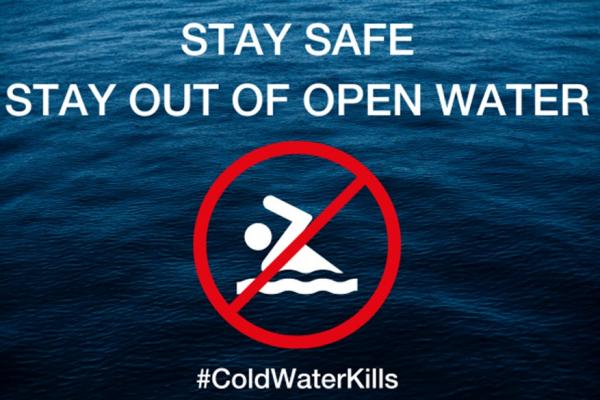
With this warmer weather spell, WSCP would like to remind everyone of the dangers around open water. As temperatures rise, children, young people, and families are likely to spend more time outdoors, so it’s important to raise awareness of the risks.
For more information, please visit:
Key Water Safety Guidance (for CYP, families, and practitioners):
- Cold Water Shock: Sudden immersion in open water—even in warm weather—can cause an involuntary gasp, rapid breathing, and heart strain. This is one of the biggest risks for strong and weak swimmers alike.
- Hidden Hazards: Open water often contains unseen dangers such as strong currents, weeds, sudden drop-offs, and debris. These hazards can trap or disorient swimmers.
- Supervision Near Water: Children and young people should be closely supervised around rivers, lakes, reservoirs, canals, and even garden ponds. Drowning can be silent and fast.
- Jumping Into Water: Jumping or diving into unknown water can lead to serious injury due to submerged objects or shallow areas.
- Inflatables Warning: Inflatables can easily be swept away by wind or currents. They are safest in supervised pools, not open water.
What To Do in an Emergency: If someone is in trouble:
- Call 999 and ask for the Coastguard (coastal) or Fire & Rescue (inland)
- Use the “Reach or Throw, Don’t Go” principle
- Keep eyes on the person and guide emergency services to the location
Please feel free to share this information with the children, young people, and families you are working with.
Check out the new campaign by Respect The water which is Phone. Float. Throw. – more info linked below:
Your support in promoting these safety messages is greatly appreciated.
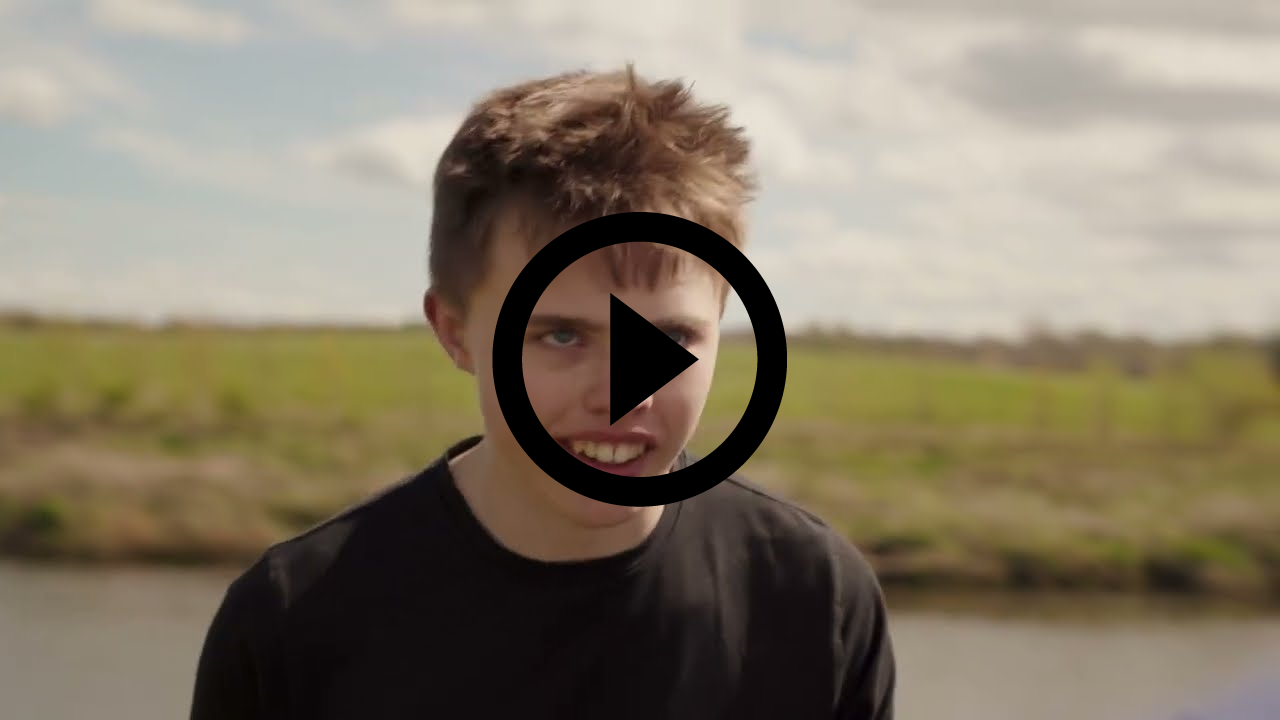
Please watch and share the short video below, created by Wakefield Council and partners. It shows a child jumping into the water due to peer pressure from friends, highlighting how something that may seem fun in hot weather can quickly become dangerous and should be avoided. |
Water Safety in the Garden
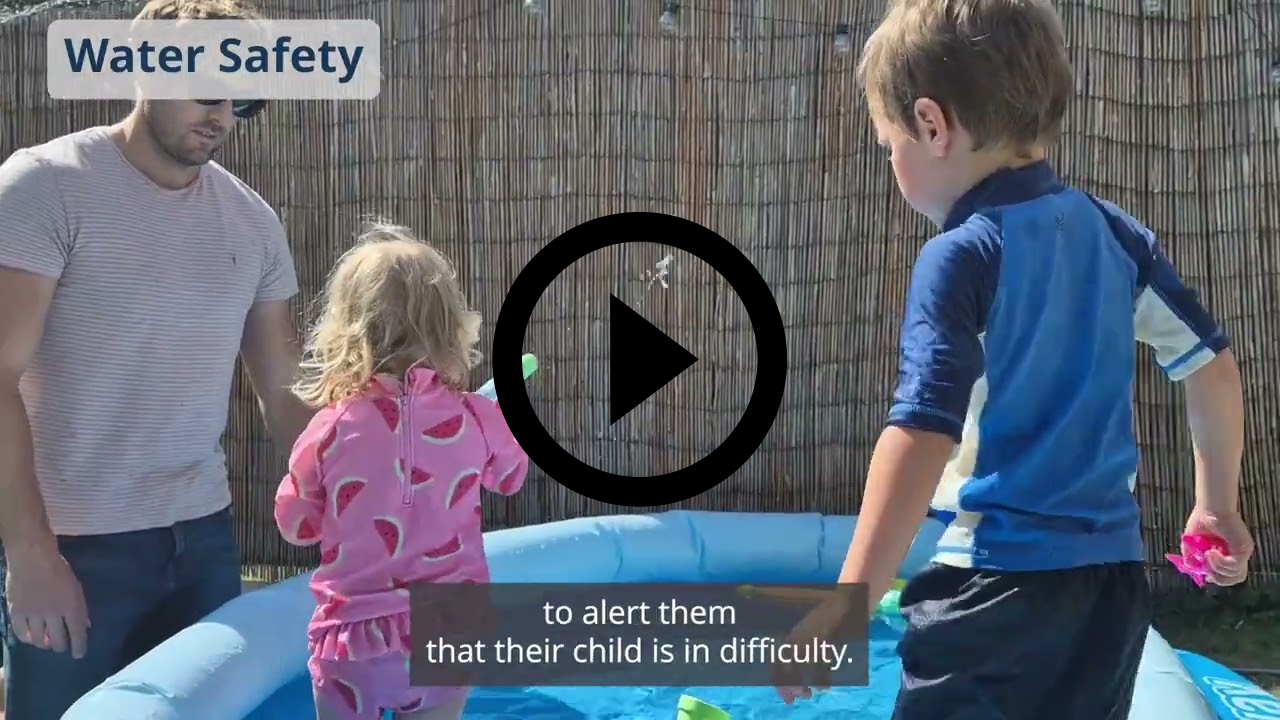
The second most common location for drowning incidents is at home, often in gardens where there are ponds, paddling pools, or hot tubs. With the recent hot weather, many children and young people will be spending time cooling off in paddling pools.
It’s important to remain vigilant and ensure children are supervised at all times around water. Please take a moment to watch the short video below, which provides helpful guidance on keeping children safe while enjoying time in the garden.
|
3. Why all the Talk About Water Safety? Here's Why it Matters
|
Ever wondered why WSCP talks about water safety so much? Water safety education is a vital part of safeguarding, helping to prevent avoidable tragedies and equipping people of all ages with the knowledge and confidence to stay safe in, on, and around water.
The scale of the risk:
Despite ongoing prevention work, drowning remains a significant public safety issue both in the UK and globally. In the UK alone, 193 people accidentally drowned in 2024, with hundreds more water-related fatalities recorded when all causes are included. Historically, the UK has seen around 250 accidental drowning deaths each year on average.
Children and young people are particularly vulnerable. Recent data shows that 41 children drowned in England between April 2022 and March 2023, with numbers having doubled compared to 2019–20. Importantly, almost every child drowning has been found to involve preventable factors, such as lack of supervision or limited awareness of risks.
Globally, the issue is even more stark. The World Health Organization estimates around 300,000 people die from drowning every year, making it one of the leading causes of accidental death worldwide.
Increased risk during warm weather:
Risk increases significantly during periods of warm weather, when more people are drawn to rivers, lakes, and the coast. During the UK heatwave in May 2026 (22–31 May), at least 15 people died in water-related incidents across the country. Many of these incidents involved children and young people, often occurring in unsupervised open water such as rivers and lakes.
This trend is not unusual. Data shows spikes in drownings during warmer months, particularly in May, when people may underestimate the dangers of cold water and changing conditions.
Why education is so important:
Water safety education plays a crucial role in prevention because it addresses the key causes of drowning:
- Lack of awareness of hidden dangers
- Cold water shock
- Overconfidence or risk-taking behaviour -
- Limited supervision and knowledge - especially in children
Education helps people to recognise these risks, make safer decisions, and learn simple lifesaving actions such as “float to live” and how to call for help.
A preventable tragedy:
A key message from safeguarding reviews and national reports is clear: drowning is largely preventable. Small changes in knowledge and behaviour—such as understanding local hazards, supervising children closely, and avoiding risky situations—can save lives.
Raising awareness is particularly important in communities and groups identified as higher risk, including young people, males, and those in areas with greater access to open water.
In summary: water safety education is a simple but powerful safeguarding tool. By increasing awareness, building skills, and encouraging safer behaviours, we can help prevent avoidable tragedies and ensure that everyone can enjoy water safely. |
4. Word Cup 2026 - Domestic Abuse & Impact on Children
|
With the FIFA World Cup 2026 underway, Wakefield Safeguarding Children Partnership (WSCP) is reminding all professionals to be aware of the increased risk of domestic abuse during major football fixtures and the potential impact on children and young people.
While for many the tournament is a positive and enjoyable event, evidence shows that periods of high-profile sporting fixtures can also lead to increased harm behind closed doors.
Increased risk during fixtures:
Research consistently shows that domestic abuse incidents can rise during major football tournaments:
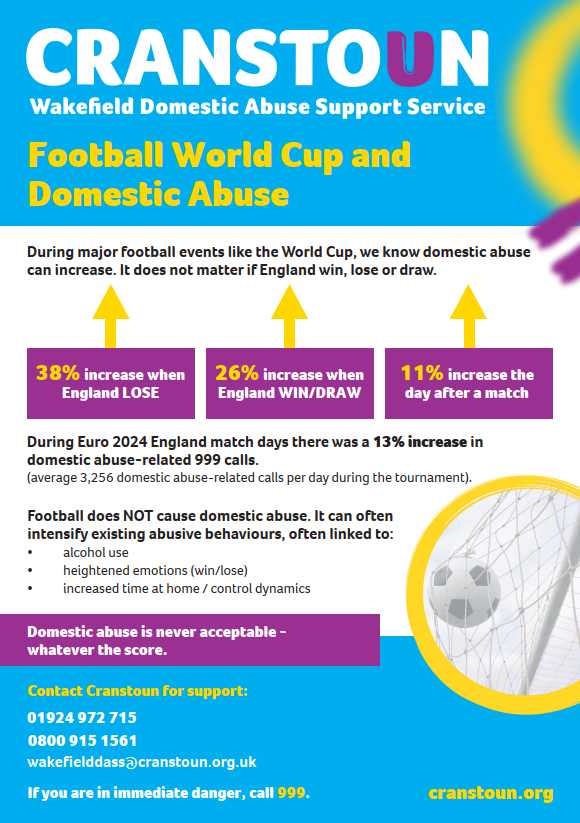
- Around 26% increase when England play
- Up to 38% increase if England lose
- Increased risk the following day, regardless of the result
Recent policing data also indicates a rise in domestic abuse-related 999 calls on England match days, placing additional demand on services.
These increases are often linked to alcohol use, heightened emotions, and existing patterns of control and abuse, rather than being caused by football itself.
Children and Young People:
Under the Domestic Abuse Act 2021, children who see, hear, or experience domestic abuse are recognised as victims in their own right.
Exposure to domestic abuse can have significant impacts on children, including:
- Emotional distress, anxiety and trauma
- Changes in behaviour and presentation
- Impact on school attendance, engagement and attainment
- Increased longer-term vulnerability
Major events such as the World Cup can act as a trigger that escalates existing abuse, increasing risk for children within the home during and after fixtures.
Local Support and Response in Wakefield:
Cranstoun Wakefield Domestic Abuse Support Services (DASS) - providing specialist support for individuals and families affected by domestic abuse in Wakefield.
📞 01924 972 715
📞 24/7 helpline: 0800 915 1561
What professionals should look for:
All practitioners are encouraged to maintain an “eyes open” approach during the tournament, particularly around England fixtures:
- Changes in behaviour (e.g. anxiety, withdrawal, aggression, fatigue)
- Absence or missed appointments following match days
- Indicators of increased risk or tension within the home
- Signs of distress following evenings or weekends when fixtures take place
Major football tournaments are a known safeguarding pressure point. While they do not cause domestic abuse, they can increase frequency and severity where abuse already exists.
Professionals should remain vigilant and continue to identify, share and respond to safeguarding concerns in line with local procedures.
Please see Cranstoun poster below which you can print off and display within your settings to raise awareness. Click here to download a copy. |
5. Safer Sleep for Babies - Hot Weather Guidance
|
The Lullaby Trust has shared that some families find it difficult to keep their baby’s room within the recommended temperature of 16–20°C, particularly during very warm weather. This can understandably feel frustrating.
To help, they have suggested some practical steps you might like to try. Remember, you should continue to follow all safer sleep guidance to help keep your baby safe and give you peace of mind.
- Use lighter bedding and clothing, with fewer layers. In really hot weather it's fine to have your baby in just a nappy.
- Open the bedroom door and a window if it's safe to do so, to allow the air to flow.
- Check baby sleep bag guidance for which tog to use for the room temperature.
- Use a fan to cool the room, but don't aim it directly towards the baby.
- Keep curtains closed in the daytime so the room doesn't heat up as much.
Click here to learn more.
Professionals may also want to recommend the following top tips for families to help keep their baby safe whilst they're put and about:
-
Don’t cover prams, buggies and travel systems with blankets, cloths or any cover that stops the air flowing.
-
Use a clip-on sunshade or parasol.
-
Check baby regularly to see if they’re getting too hot by feeling their chest or the back of their neck.
-
Keep babies out of direct sunlight as much as possible.
|
6. Welcome to the WSCP Training Brochure - What's on Offer this July?
|
Take a look at all the latest training which features:
- Working Together a Shared Responsibility - NEW DATE ADDED!
- Supporting & Safeguarding LGBTQIA+ Young People
- Relationship Matters: Reducing Parental Conflict Toolkit Training
- Perinatal Mental Health – and the impact on children
- Parental Mental Ill Health
- Ready to Relate / Infant Parents Relationship Cards Training Sessions
- NEW PAIR drop in sessions
- Risk and Resilience Framework Training
Access to recorded training sessions, podcasts, videos, one-minute guides and more.
|
7. National Child Mortality Database (NCMD) Training Videos
|
The National Child Mortality Database (NCMD) has announced a series of new, shorter videos now available on their training resources page, focusing on reducing accidents and promoting safer sleep.
These concise video clips capture key learning from NCMD findings, presenting clear, individual messages that can be easily shared directly with families or via social media.
Developed in partnership with UCLPartners, the full training package is designed for professionals working with families. It translates NCMD data into practical, actionable advice, supporting practitioners to deliver consistent and evidence-informed guidance to parents and carers.
Topics covered include:
- Safer sleep
- Creating a safe cot environment (including bedding)
- Co-sleeping
- Preventing accidents
- Keeping babies smoke free
- Product safety
- Back to Sleep campaign
- Bath safety
- And more
These resources are a valuable tool for professionals to help reinforce key safety messages and support families in reducing risks. 👉 Please click here to access the videos. |
8. #LookCloser Programme of Learning Events - May - September 2026
|
We are pleased to share details of the Children’s Society’s upcoming #LookCloser Programme of Learning events for April 2026 - September 2026.
#LookCloser is a campaign from The Children's Society, supported the National County Lines Co-ordination Centre and the British Transport Police aiming to raise awareness of child exploitation and abuse and to encourage the public and businesses to better identify and report concerns. The campaign also seeks to challenge assumptions and victim stereotypes, highlighting that child exploitation can happen anywhere, and any young person can be a victim.
Click here to download a flyer detailing all the available sessions. You can book on to the sessions for free, by clicking on the session titles within the flyer. If you have any questions please contact Prevention@childrenssociety.org.uk |
The WSCP Business Unit have been busy updating the content on some of our published webpages. Please see the links below for the sections that have been updated this month:
- How to help my difficult feelings
- Managing difficult feeling
- Are you worried about a young person
|
10. SPOTLIGHT ON...Non-Fatal Strangulation (NFS) - Why it Matters - FREE Training
|
Non-fatal strangulation is one of the most dangerous indicators of serious harm and future homicide in domestic abuse, yet it is often missed.
- 1 in 4 women accessing domestic abuse services report being strangled or suffocated.
- Only around 50% of victims show visible injuries, meaning signs can easily be overlooked.
- It is present in around 25% of domestic homicides.
- Victims who experience NFS are at significantly higher risk of future serious harm or death.
- Children are often impacted too, with over a third of cases involving children in the household
Despite this, professionals frequently report a lack of confidence in identifying and responding to NFS, especially when injuries are not visible. Why attend this SafeLives webinar?Delivered by the leading domestic abuse charity SafeLives, this free session will help you: ✅ Understand why NFS is a high-risk safeguarding issue ✅ Recognise the signs and symptoms (even when there are no visible marks) ✅ Strengthen your risk assessment and decision-making ✅ Improve how you support children and families affected by domestic abuse ✅ Build confidence in responding to disclosures and taking action This training is relevant for anyone working with children, families, or adults where domestic abuse may be a factor. Please click here to sign up to this free training. |
Annual WSCP Safeguarding Audit for Education Settings
The audit has now been released! DSL’s please see email sent from WSCP on Monday 22nd June.
The deadline for return is end of the day Friday 10th July.
Thank you for your time to accurately complete your school/college submission. This helps evidence that Education settings in the Wakefield district are doing all they can to safeguard the students in their care. |
Talk Relationships
NSPCC Learning has designed a new, free on-demand school leaders’ webinar from the NSPCC’s Talk Relationships service. The hour-long webinar covers: what a whole-school approach is; creating a culture of safety and respect in schools; and what’s new in Talk Relationships. The Talk Relationships elearning course for teachers has also been updated. The training covers everything teachers need to confidently prepare and deliver sex and relationships education. Find out more: Talk Relationships
Access the training: Talk Relationships: delivering sex and relationships education training |
Online Safety: Image Security
The UK Safer Internet Centre has published image security guidance developed by the UK Online Harms Early Warning Working Group. Aimed at education settings and organisations working with children and young people, the guidance provides information and advice on the risks of sharing images and videos of children on websites and social media platforms. It aims to address the risk of AI image manipulation and abuse, and the emerging threat of blackmail, covering: practices to protect young people’s images; the risks of using young people’s images online; and what to do if images of young people are misused, altered or abused.
Read the news story: Schools given advice on image safety to keep ahead of three from AI blackmailers
Find out more: Protecting your setting's images from AI manipulation and abuse |
Reminder: DSL Opinion Form
WSCP are interested in general themes, repeated issues or areas of good safeguarding practice which DSL's experience within Wakefield. This may then be raised at multi agency strategic level meetings. NB this is not the forum for individual case specifics - please raise these individual case details with the appropriate managers in accordance with the professional disagreement procedure. 2.7 Resolving Multi Agency Professional Disagreements and Escalation (proceduresonline.com) These opinion forms are your voice as education settings at the WSCP so if you have anything to share please do complete and submit these forms which are sent out 6 times a year.
|
Reminder: DSL Forums & Network Meetings Open to All!
|
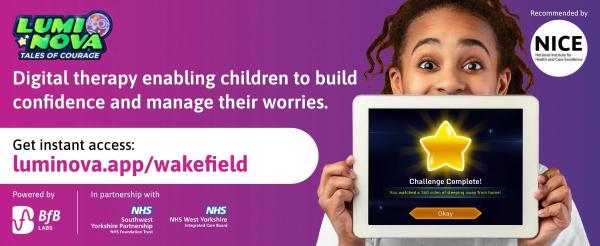
12. Lumi Nova: Digital Support for Childhood Anxiety
|
We’re excited to share that Lumi Nova is available to families in Wakefield in partnership with NHS West Yorkshire ICB and South West Yorkshire Partnership NHS Foundation Trust. Lumi Nova supports children and young people to build confidence and learn lifelong skills to manage their worries through an intergalactic adventure game!
Lumi Nova would like to invite professionals working with young people and families in Wakefield to join a live Lumi Nova Discovery (45 minute webinar) to learn more about Lumi Nova. Multiple dates are available:
Powered by science, backed by the NHS: Lumi Nova combines Cognitive Behavioural Therapy (CBT) with responsible, age appropriate mobile gaming to provide early intervention, therapeutic support for childhood anxiety. Lumi Nova is:
- Designed for children aged 7-12 years
- Suitable for mild to moderate anxiety
- Provides Exposure Therapy & Psychoeducation (CBT)
- Safe & Secure
- Recommended by the National Institute of Health and Care Excellence (NICE)
Stay connected: Subscribe to the Lumi Nova Newsletter and follow us on social media to stay up to date with new resources and updates that you can share with your community.
Lumi Nova Newsletter
Spread the word: Check out the Lumi Nova Resource Kit for assets to support you to share information about Lumi Nova with families.
If you have any further questions, please don’t hesitate to reach out to the Lumi Nova team at luminova@bfb-labs.com |
13. Supporting Children's Safety on Social Media and Apps
|
With social media and online apps continuing to play a central role in young people’s lives, it’s more important than ever for parents and carers to feel informed and confident about keeping children safe online.
From messaging platforms and gaming apps to video-sharing sites, children are accessing a wide range of digital spaces—often daily. While these platforms offer opportunities for connection, creativity and learning, they can also present risks such as exposure to inappropriate content, online bullying, or contact from strangers.
What can parents and carers do?
There are some simple but effective steps you can take to support your child:
-
Start regular conversations
Ask your child about the apps they use, who they interact with, and what they enjoy online. Keeping communication open helps children feel comfortable coming to you if something goes wrong.
-
Understand age ratings and safety features
Many apps have age restrictions, privacy settings and parental controls. Taking time to review these together can help you make informed decisions.
-
Set boundaries together
Agree on screen time limits, which apps are appropriate, and what information is safe to share.
-
Know how to report concerns
Familiarise yourself and your child with how to block, mute or report users and content on the platforms they use.
Trusted support and guidance:
If you’re unsure where to start, there are excellent websites designed specifically to support parents, carers and professionals.
One particularly useful resource is the Internet Matters Apps and Platforms Safety Hub, which provides:
- Clear, up-to-date information on popular apps and games
- Safety ratings and risk guidance for each platform
- Step-by-step advice on privacy settings and controls
- Practical tips tailored for different age groups
This site also includes filters, making it easy to quickly find information about specific apps your child may be using.
Staying informed
The digital world changes quickly, with new apps and trends appearing all the time. Taking a few minutes to stay informed can make a big difference in helping children enjoy the online world safely and responsibly.
We encourage all parents and carers to explore trusted resources and continue these important conversations at home.
|
14. NEW: Youth Voice Insights & Guidance into Education on Child Exploitation
|
We are excited to share two new resources from The Children’s Society’s national Prevention Programme which were recently published.
The first is their latest youth voice report, titled ‘“Tell us who we can be, not who we shouldn’t be”: Youth voice insights into education on exploitation’ and presents young people’s views on both education content relating to child exploitation and the approach taken to teaching this.
The second is a best practice resource for police who are delivering education content to children on exploitation and associated crime. This resource is published in partnership with the National County Lines Coordination Centre (NCLCC) and seeks to support police and wider law enforcement to deliver high quality and consistent education to young people on these sensitive topics. They hope that it will be useful to professionals outside of law enforcement who deliver similar such content.
Please share these resources with your colleagues and networks and support The Children's Society to do so on social channels by sharing the following posts on LinkedIn, Bluesky and FacebookIf you have any questions or would like to explore working with us The Children's Society around the findings of these reports, then please do get in touch at prevention@childrenssociety.org.uk |
15. Early Childhood Explainer Series
|
The Royal Foundation Centre for Early Childhood have published a series of animated films explaining how brain development in early childhood, and how interactions between babies, young children and caring adults can make a positive difference to their social and emotional development. Designed for people who work with children and families, these resources show how everyday actions support the development of children in their earliest years. Click here to learn more and access the animations. |
16. Centre of Expertise on Child Sexual Abuse Resources
|
NEW: Sharing Information to Tackle Child Sexual Abuse
If a child is at risk of harm, timely, effective information sharing plays a vital role in supporting early identification, protecting children from abuse, and supporting them in their recovery and wellbeing.
To help explain who holds what information, and how to share it, The CSA Centre have developed a new resource titled "Sharing information to tackle child sexual abuse".
The comprehensive new guide is designed for all professionals working with children – whether in statutory agencies or voluntary sector and community organisations – to learn how to use and share the information they hold with other professionals to effectively safeguard the children they work with from child sexual abuse.
|
The React Network
The React Network brings together practitioners and academics of racialised heritages and/or religions who are interested in or focused on addressing child sexual abuse of people from these communities in England and Wales. The React Network meets quarterly to collaborate and enhance their understanding, knowledge and responses to child sexual abuse and its impacts on survivors, families and communities. The next session takes place on the 1st July (further dates are planned for October 2026 and January 2027). Please click here to find out more about the React Network and to sign up for the next session click here.
|
17. Top Safety Tips for Families this July
|
The Child Accident Prevention Trust (CAPT) have published the following safety tips for families this July. Calling all professionals - where possible please share this important information with any parents/carers that you work with. Summer water safety
As we have sadly seen in recent weeks, warmer weather brings a heightened risk of drowning. So, as we head into the summer months, here are some top tips for keeping children safe. Take a look.
Toddler died in her cot after being strangled by a drawstring bag
A 15-month-old died in her cot after getting entangled in a cord for a gym bag that was left hanging nearby. Sadly, this isn’t an isolated case. Even babies who aren’t able to move far can reach and grab for cords hanging nearby. Please keep your child’s sleep space clear and make sure any cords are tied up high so they cannot be reached. Learn more about the risks and how to keep your child safe.
NEW: How flat are your button batteries?
Did you know that even when it can’t power your device, a flat button battery can still harm your young child? Fortunately, it’s really simple to keep your child safe. Just keep the used button batteries in a box up high and then recycle them when you shop. Click here to learn more.
|
The NSPCC have recently released the following updates which may be of interest to professionals working with children and families, and to share with parents/carers where applicable.
Case Reviews
Eight new case reviews have been added to the collection this month featuring issues including racism, child neglect, child mental health and home education. Please click here to read the reviews.
Voice of the Infant
NSPCC Learning has published a series of expert insight videos on the voice of the infant. The five videos include insights on: what the voice of the infant is and why it is important; how practitioners can listen to the voice of the child and incorporate it into their work; and overcoming barriers to hearing the infant’s voice.
Watch the videos: The voice of the infant: expert insight videos
Online Child Abuse
The International Policing and Public Protection Research Institute (IPPPRI), part of Anglia Ruskin University (ARU), has launched a new support tool to help victims of online child abuse have their images removed from the internet. Developed in partnership with the Internet Watch Foundation (IWF) and Protect Children, the tool allows people who have reported a case to police and had it investigated, to self-refer to the ECHO Survivor Hub for support. The ECHO Survivor Hub Consortium will actively search for and remove survivors’ imagery from circulation; prompt technology companies to proactively remove the imagery; increase awareness of compensation options and support legal representatives to explore civil remedy; and listen to the needs of survivors and offer access to materials to enhance wellbeing and healing.
Read the news story: New tool launched to help online abuse victims
Access the hub: ECHO Support Hub
Other useful guides/resources published by the NSPCC Learning
|
19. What Would You Like to Hear About?
|
What areas regarding child safeguarding do you want to hear about? WSCP welcome your suggestions for content for the partnership e-bulletin. Therefore, if there are any items you would like to be featured in the next edition or to provide feedback which will help us improve the newsletter going forward please email wscp@wakefield.gov.ukThe e-bulletin is circulated on or around the last working day of each month, therefore any suggestions for content would need to be received at the latest the week prior to circulation. |
|
|
Copyright © 2026 Wakefield Safeguarding Children Partnership, All rights reserved.
Has this email been forwarded to you? Why not sign up yourself here so you don't miss out on future
WSCP e-Bulletins?
Our mailing address is:
|
|
|
|
|