- WSCP Publishes Annual Report 2025-26
- Information Sharing to Safeguard Children & Young People
- Spotlight On...Supporting Parents & Carers through ICON
- Closure of PAPYRS Prevention of Young Suicide
- Catch22 County Lines Support Service
- Welcome to the WSCP Training Brochure - What's on Offer this Month?
- NEW: Training Resource: Participation & The Lundy Model
- NEW: NWG Events for October
- 16 Days of Activism Event with Guest Speaker
- Understanding & Responding to Online Harm Groups
- Parent Education Hub
- Education Updates
- FREE Safeguarding Training for Early Years Staff
- Child Safety and Parenting Resources
- Centre of Expertise on Child Sexual Abuse - Guidance & Resources
- NSPCC - Useful Guidance
- Help Shape Future Editions of this E-Bulletin
- Useful Links
|
1. WSCP Publishes Annual Report 2025-26
|
Wakefield Safeguarding Children Partnership (WSCP) have published the Annual Report for 2025-26 which summarises, reflects on and presents the work of WSCP from 1st April 2025 to 31st March 2026. This covers the sixth full financial year of operation of WSCP since it replaced the previous Local Safeguarding Children Board (LSCB) in September 2019.
The report focuses largely on the impact the partnership has achieved, documenting the work undertaken by the partnership's Executive and 5 sub-groups, highlighting areas of strength and the areas the partnership needs to focus on developing within the next year. Click on the button below to download a copy of the report. |
2. Information Sharing to Safeguard Children & Young People
|
The Department for Education has updated its information sharing guidance for practitioners and organisations providing safeguarding and welfare services for children and young people in England. The guidance is now statutory and has been updated to reflect that the Information Sharing Duty under section 16LA of the Children Act 2004 comes into force on 30th September 2026. The guidance explains what organisations and practitioners must do to comply with the information sharing duty and what they should do to ensure consistent and effective information sharing to safeguard children and young people. To read the full guidance click here.
The NSPCC have also published useful multi-agency working and information sharing expert insights, a series of short videos in relation to information sharing that you might find useful. Click on the button below to access them. |
3. SPOTLIGHT ON...Supporting Parents & Carers through ICON
|
Babies cry, you can cope.
The ICON programme supports parents and carers to understand that infant crying is a normal part of a baby’s development, while providing practical advice and reassurance for those moments when crying can feel overwhelming.
ICON stands for:
I – Infant crying is normal and will stop
C – Comfort methods can sometimes soothe your baby
O – It’s OK to walk away for a few minutes if your baby is safe and the crying feels too much
N – Never shake or hurt a baby
Following the recent ICON Week, we’re continuing to raise awareness of these simple but vital messages and encouraging everyone to support parents and carers, including fathers, partners and male carers. Small moments of understanding and support can make a real difference in helping families cope and keeping babies safe.
Find advice, resources and support at www.iconcope.org.
|
4. Closure of PAPYRS Prevention of Young Suicide
|
We were deeply saddened to hear of the closure of PAPYRUS Prevention of Young Suicide and the immediate end of its HOPELINE247 service following the charity entering administration. PAPYRUS has provided vital support to young people, families and professionals, and we recognise this news may be concerning for many.
To help ensure young people continue to find the right support when they need it, please take a moment to review and update any websites, leaflets, training materials, policies or other resources that reference PAPYRUS or HOPELINE247.
There are a number of alternative sources of support available, including:
- Samaritans: 116 123, available 24/7
- Shout: Text SHOUT to 85258, available 24/7
- Childline: 0800 1111, available 24/7
- NHS 111: Call 111 and select option 2, available 24/7
- Wakefield CAMHS SPA: 01924 316200, Monday to Friday, 9am to 5pm
- CAMHS ReACH: 01924 316200, option 3, daily 9am to 8pm, for urgent support that cannot wait until the next day
- Here For You: 07776 962815, daily 3.30pm to 10pm, for people aged 16+
- Campaign Against Living Miserably (CALM) Suicide prevention charity providing practical advice and support including helpline open 5pm- Midnight.
- Young Minds information, advice and crisis support resources for children, young people and families.
- Compass Rise. Compass Rise works with children, young people, and families in communities across Wakefield.
- Night Owls. West Yorkshire and Barnsley Night OWLS is a confidential support line for children, young people, their parents and carers.
|
5. Catch22 County Lines Support Service
|
This service provides free, confidential and personalised support for children and young people under 25 who have been affected by county lines, criminal exploitation, knife crime, weapons-related harm, or serious youth violence.
The service is available across Wakefield, Leeds, Bradford, Kirklees and Calderdale, offering dedicated one-to-one caseworker support tailored to the needs of each young person. Support can include safety planning, emotional wellbeing support, help with education, housing and employment, and assistance to reduce involvement in exploitation.
The service is available to:
- Young people who are involved in, at risk of, or trying to exit exploitation.
Those impacted by county lines, knife crime, weapons, or serious youth violence.
- Professionals seeking support for a young person.
- Catch22 works with young people at their own pace and in a location where they feel comfortable, helping them build a safer future and access the support they need.
For further information, referrals or enquiries, please contact: countylinessupport@catch-22.org.uk
Free. Confidential. Personalised. Support is available for young people every step of the way. |
6. Welcome to the WSCP Training Brochure - What's on Offer this Month?
|
Take a look at all the latest training which features:
- Child Exploitation Learning Exchanges
- Multi-Agency Neglect Training
- OCTOBER DATE ADDED: Working Together a Shared Responsibility
- Engaging with Men Training
- Supporting & Safeguarding LGBTQIA+ Young People
- Every Sleep a Safe Sleep Training
- Relationship Matters: Reducing Parental Conflict Toolkit Training
- Perinatal Mental Health – Impact of Parental Mental Illness on Children
- Ready to Relate / Infant Parents Relationship Cards Training Sessions
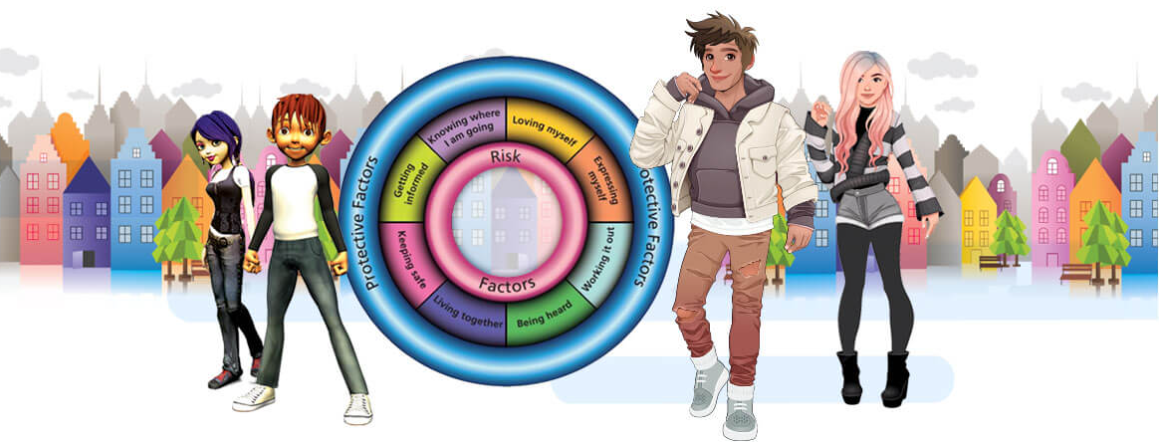
- Risk and Resilience Framework Training
- Partner/External Training
- Access to recorded training sessions, podcasts, videos, one-minute guides and more.
|
7. NEW: Training Resource: Participation & The Lundy Model
|
Learning from safeguarding reviews consistently highlights the importance of hearing and acting on the voice of the child.
The Child Safeguarding Practice Review Panel have advised that a new, free training programme on participation and the Lundy model is now available nationally to support this.
Co-created by Lancashire County Council, the Lancashire and South Cumbria Integrated Care Board and the University of Lancashire, and funded by Youth Focus North West and the Children's Safeguarding Assurance Partnership, the training has been shaped by practitioners and children and young people. It offers a child and young person's perspective on the value of participation and helps organisations put children's rights at the core of what they do.
Organisations can also request a copy of the training to host on their own e-learning platform. To find out more, contact participation@lancashire.gov.uk.
|
8. NEW NWG Events for October
|
Throughout October NWG are hosting a number of FREE event on various safeguarding topics including:
- NWG Police and Justice Forum - Collaboration in Action, Addressing Violence against Women and Girls
- SARC Training - Introduction to Sexual Assault Referral Centre Services
- Black History Month: Beyond Awareness - Culture, Race, and Child Sexual Exploitation and Abuse
- NWG Sports Forum
- Embedding Anti-Racist & Anti Oppressive Practice & Knowledge Briefing
To find out more about all of the above including dates, times and how to book a place please click here. |
9. 16 Days of Activism Event with Guest Speaker
|
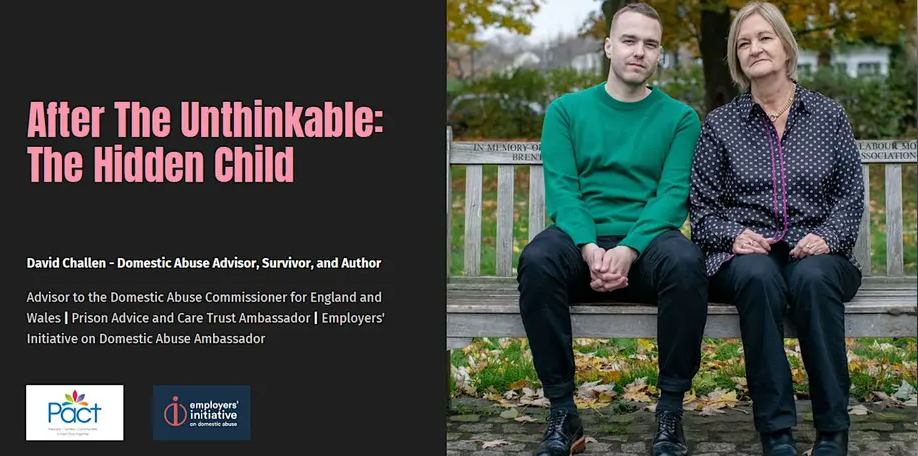
Please see the below link to an incredible session during 16 Days of Activism with nationally known guest speaker, David Challen.
After The Unthinkable: The Impact of Coercive Control on Children Tickets, Wednesday, December 2 • 11 AM - 12 PM GMT+0 | Eventbrite
The presentation explores how children experience and understand coercive control, the long-term impact into adulthood, and what professionals and communities need to recognise when domestic abuse is not always physical.
The event is online and free but there are limited places so reserve your place soon.
Date: 2nd December 2026 11am-12pm
Audience: Wakefield district professionals who work with children and young people (Depending on numbers, priority will be given to front line professionals) |
10. Understanding & Responding to Online Harm Groups
|
CEOP Education have recently launched new guidance and advice on the threat of online harm groups.
Online harm groups, often referred to as ‘Com’ groups (short for community), are networks of individuals who carry out high-harm offences online, including child sexual abuse. Both victims and those carrying out online harm group offences are predominantly under 18 year olds.
To support professionals to understand and respond to this threat, CEOP Education have launched new resources to build awareness of online harm groups, what preventative steps can be taken and what to do if an incident occurs.
The new resources include:
- Guidance for professionals (available in English and Welsh) helping those who work with children and young people understand the threat and respond appropriately to safeguarding concerns.
- Advice to signpost parents and carers to, providing practical information to help families recognise the warning signs, support their child and access support.
- Guidance to support engagement with 11-18 year olds, helping young people recognise online pressure and manipulation, understand when something doesn't feel right, and know where to get help. This includes a short animation to support young people’s learning and aid understanding.
|
Parent Education Hub
We’d like to take the opportunity to remind parents and carers about the new Parent Education Hub, available on the Risk & Resilience website.
Parents and carers can explore useful health information and practical guidance, for babies from birth up to young people aged 19 years, including:
- Tips for starting conversations with children and young people
- Health and wellbeing advice and strategies
- Suggestions of activities that can increase a child or young persons confidence and resilience
- Helpful guidance, resources, and signposting to support services (locally and nationally)
Thank you for helping us promote this resource and ensure more families can access timely support and information to share with their children.
Parents and carers can access the hub by visiting www.riskandresilience.org.uk and clicking on the ‘Parents’ tab at the top of the homepage to register.
|
Supporting children back to school with Lumi Nova
Returning to school can be challenging for some children and young people. Lumi Nova has developed a short, interactive assembly-style session to help young people talk about their fears and worries, understand their feelings and build resilience.
The session is quick and easy to deliver in either a classroom or assembly setting.
👉 Click here to download an interactive poster and find out more.
|
Anti-Bullying Week 2026
The Anti-Bullying Alliance are delighted to bring you the news that their free Anti-Bullying week 2026 packs are now available to download.
They include everything you need to prepare for Anti-Bullying Week 2026 - taking place from 16th to 20th November - which is just several weeks away! |
Keeping Children Safe in Education - Summary of Changes
NSPCC Learning has published an updated briefing summarising the 2026 version of the Department for Education’s (DfE’s) statutory guidance for schools and colleges in England, Keeping children safe in education (KCSIE). The final version came into force on 1st September 2026 and replaces previous versions of the guidance, including the information only version published in July 2026.
Read the briefing: Keeping children safe in education (KCSIE) 2026: summary of changes. |
The CSA Centre's Whole School Approach to Child Sexual Abuse
The Whole school approach framework provides step-by-step guidance to help early years provisions, schools, colleges and other education settings improve their response to child sexual abuse. Click here to read the Whole School Approach Framework. |
Reminder: DSL Forums & Network Meetings Open to All!
|
13. FREE Safeguarding Training for Early Years Staff
|
The DfE has launched free safeguarding training for all early years staff.
Developed with NSPCC learning, the safeguarding package of training materials includes tips on how to build a culture of safeguarding in settings and a list of guidance and resources covering safer recruitment, domestic abuse and legislation.
There are also five training modules on safeguarding that educators can work through, culminating in an assessment, the subjects include:
• What is safeguarding?
• Operating in line with legislation and guidance.
• Recognising harm, abuse and neglect.
• Responding to and reporting harm.
• Creating a culture of safeguarding.
Please register and access here: Registration - Enable
|
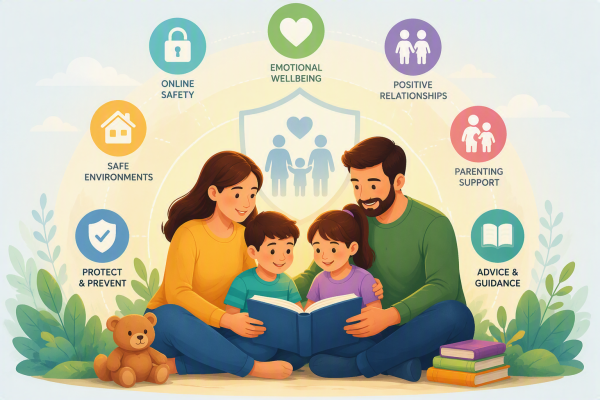
14. Child Safety and Parenting Resources
|
Child Accident Prevention Trust (CAPT) Updates
-
Why do children swallow the weirdest things? - Putting things in their mouths is a normal part of how babies and young children explore and learn. For parents, it can feel like a daily battle. For practitioners, this stage of development provides an important opportunity to talk to families about what children might swallow, the potential dangers and how to reduce the risks. That’s why CAPT have created a new post explaining all this and more. Click here to take a look.
- Staying safe on the school run - At school drop-off and pick-up times, roads can be especially busy. This makes crossing more difficult. And it can be really distracting for children who may forget their road safety rules, especially if they spot a friend across the road. Luckily, there are plenty of things you can do to help keep them safe. Click here to access more top tips.
- The silent killer: carbon monoxide - As families start to battle over whether it’s too early to turn the heating back on, it’s a good time to think about carbon monoxide (CO) safety. The highly poisonous gas can kill quickly and without warning, as you can’t see it, taste it, or smell it. Young children are especially vulnerable. Luckily there are things you can do to keep your family safe. Learn how to keep your families safe.
|
The Lullaby Trust Latest
-
Baby's sleep space - When it comes to a baby’s sleep space, there shouldn’t be any unexpected items at all. Just the baby and their sleeping bag (or a firmly tucked in blanket). That means no toys, no pillows, no sleep positioners and so on. Find out more about keeping a clear cot - the safest cot!
- New resource: Early years checklist - Choosing an early years setting for a baby, and entrusting someone else with their care, can feel overwhelming. If you’re worried about safer sleep while selecting an early years setting, The Lullaby Trusts brand new resource can help empower you to make the best choice for your family. Click here to access the checklist to aid conversations with childcare providers.
- Early years hub - If you work at an early years setting, check out the The Lullaby Trust's brand new early years hub especially designed to support you.
- Second hand baby products - Access a checklist to run through before you use a pre-owned baby sleep product, to make sure it's suitable for a baby
|
Canal & Rivers Trust Water Safety Information
-
Water safety advice - Summer might be over, but water safety matters all year round. Canals, rivers and reservoirs can look calm and inviting, but cold water, hidden objects, slippery or steep banks and unexpected depths can make getting into the water extremely dangerous. Even strong swimmers can be affected by cold water shock. The Canal & River Trust advises young people not to jump into canals or locks, or from bridges, and to look out for their friends around water. Enjoy your local waterways this autumn, but stay out of the water and help your mates stay safe too.
Calling all professinals - where possible please share all this important information above with any parents/carers that you work with. |
15. Centre of Expertise on Child Sexual Abuse - Guidance & Resources
|
Scale and Nature of Child Sexual Abuse
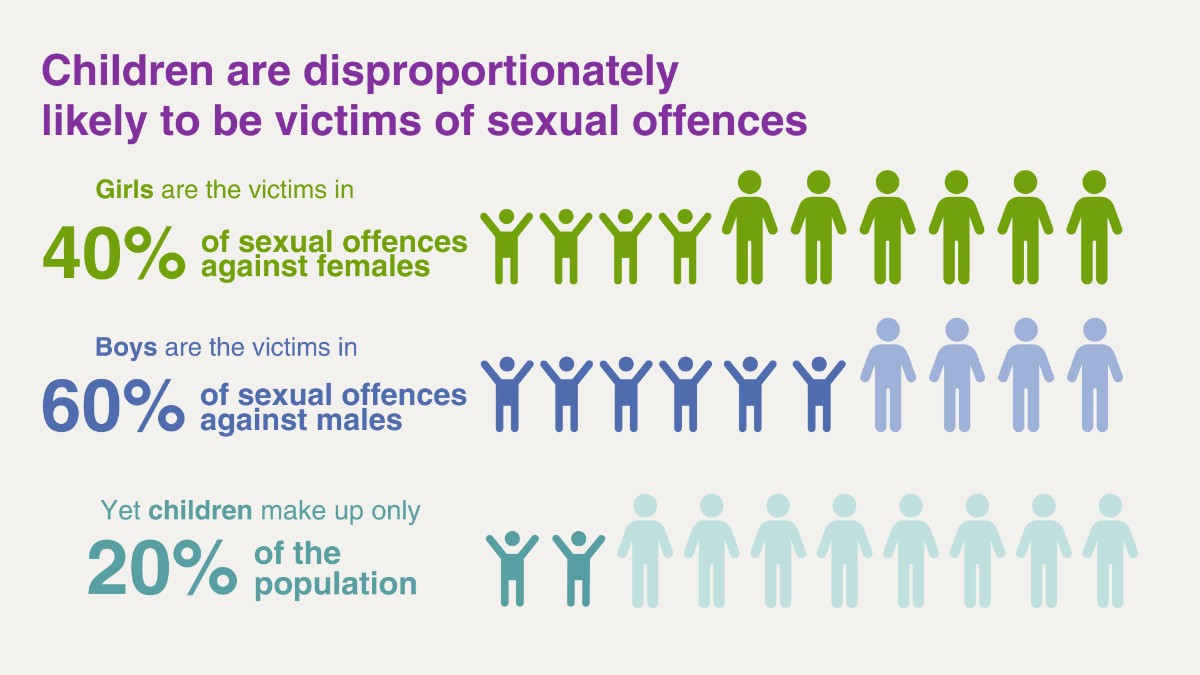
The Centre of Expertise on Child Sexual Abuse (CSA Centre) recently published their latest Scale and Nature report, providing a detailed account of what they currently know about child sexual abuse and how it is being responded to in England and Wales. Click here to read the report.
The new infographic below shows visually the scale and nature of child sexual abuse in England and Wales.
|
Sign up to the CSA Centre's Free Introductory Webinars
Take a look at the CSA Centre's upcoming webinars and book your free place to build your knowledge, skills and confidence in responding to child sexual abuse:
|
16. NSPCC - Useful Guidance
|
Take a look at some of the latest resources, guidance and learning opportunities recently published by the NSPCC.
Case Reviews
Eight new case reviews have been added to the collection this month featuring issues including child neglect, professional misconduct, parents who have a mental health problem and gaming. Please click here to read the reviews.
Coercive Control
Community Care has published a news article to help professionals recognising coercive control in teenage relationships. The article outlines: the scale of teenage relationship abuse; how language can act as a barrier to recognition; the merging of young people’s online and offline worlds; and existing good practice.
Read the news article: Would you spot a teenage experiencing coercive control
Misogyny in Sport
NSPCC Learning has launched a new masterclass on tackling misogyny in sport. The on-demand recording is designed for anyone working with children and young people in a sports organisation or national governing body. It shares information on: the history of misogyny in sport, the differences between sexism and misogyny, the impact misogyny can have and how to combat it.
Access the masterclass: Impact of misogyny in sport masterclass
Child Sexual Abuse & Exploitation
The Child Sexual Exploitation Taskforce has developed a toolkit to help organisations communicate consistently, accurately and compassionately about child sexual abuse and exploitation. The toolkit is built around four core principles: belief, language, collaboration and justice. The toolkit outlines messaging considerations, survivor-centred narratives and communications messages and
statistics for different topics.
Access the toolkit: New CPAI Toolkit launched to strengthen survivor-centred communications across child protection
Non-Recent Abuse
NSPCC Learning has published a Why language matters blog on talking about ‘non-recent’ instead of ‘historic’ abuse. Both terms are often used by services when adults share their experiences of child abuse. The blog highlights how the term ‘historic’ abuse can minimise the ongoing impact of abuse and discourage people from speaking out. The language used should be trauma-informed and should support people to come forward and share their experiences.
Read the blog: Why language matters: talking about "non-recent" instead of "historic" abuse
Take a look at some of the latest resources, guidance and learning opportunities recently published by the NSPCC.
|
17. Help Shape Future Editions of this E-Bulletin
|
The WSCP e-bulletin is here to support professionals across the partnership, and we want to make sure we're covering the topics that matter most to you. Whether there's a safeguarding issue you'd like to learn more about, a resource you'd recommend, or an example of good practice you'd like to share, we'd love to hear your ideas. Send your suggestions or feedback to: wscp@wakefield.gov.ukGot a suggestion for next months e-bulletin?
Your feedback helps us shape future editions and ensure the e-bulletin remains relevant, informative and useful for practitioners across Wakefield. To be considered for inclusion, please send your content or ideas by the week before publication. The e-bulletin is usually circulated on or around the last working day of each month.
|
|
|
Copyright © 2026 Wakefield Safeguarding Children Partnership, All rights reserved.
Has this email been forwarded to you? Why not sign up yourself here so you don't miss out on future
WSCP e-Bulletins?
Our mailing address is:
|
|
|
|
|